

Private philanthropy remains the primary driver for innovation in treating pediatric inherited retinal diseases. According to recent industry analyses, non-profit funding accounts for a significant majority of early-stage clinical trials for rare genetic conditions like Bardet-Biedl Syndrome. This financial support is critical because it bridges the gap between academic discovery and FDA-approved therapies. By contributing to specialized foundations, donors directly accelerate the development of gene therapies that could restore sight to children currently facing progressive vision loss. (About Retinitis Pigmentosa Causes)
Understanding the Urgency of RP Research
Retinitis pigmentosa (RP) is a group of rare genetic disorders that cause a breakdown and loss of cells in the retina. These cells are located at the back of the eye and are responsible for capturing light and sending visual signals to the brain. For many children diagnosed with Bardet-Biedl Syndrome (BBS), RP is a component of a broader condition affecting multiple organ systems. The progression is slow but inevitable, often leading to legal blindness by the teenage years. (A Race Against Blindness)
The medical community has made strides in understanding these genetic markers. However, the path from understanding a gene mutation to creating a viable therapy is long and expensive. Private funding fills this void. Without the financial backing from donors, many promising gene therapy models would stall before reaching clinical trials. The foundation dedicated to this cause operates with a lean structure to ensure maximum efficiency in fund allocation. (Your Shopping Cart)
Retinitis pigmentosa (RP) is a progressive degeneration of the retina that cannot be corrected by standard glasses or contact lenses. This distinction is vital for parents seeking help, as it clarifies why traditional optical solutions fail and why advanced medical intervention is required. The urgency is compounded by the fact that once retinal cells die, they do not regenerate. Therefore, early intervention through funded research is the only viable path to preserving vision. (IRD Education Hub A)
Where Your Donation Goes
Transparency is a core operational principle for organizations focused on rare disease research. Donors can track their contributions through detailed annual reports and donor portals. These documents outline exactly how funds are distributed between administrative costs, fundraising efforts, and direct research grants.
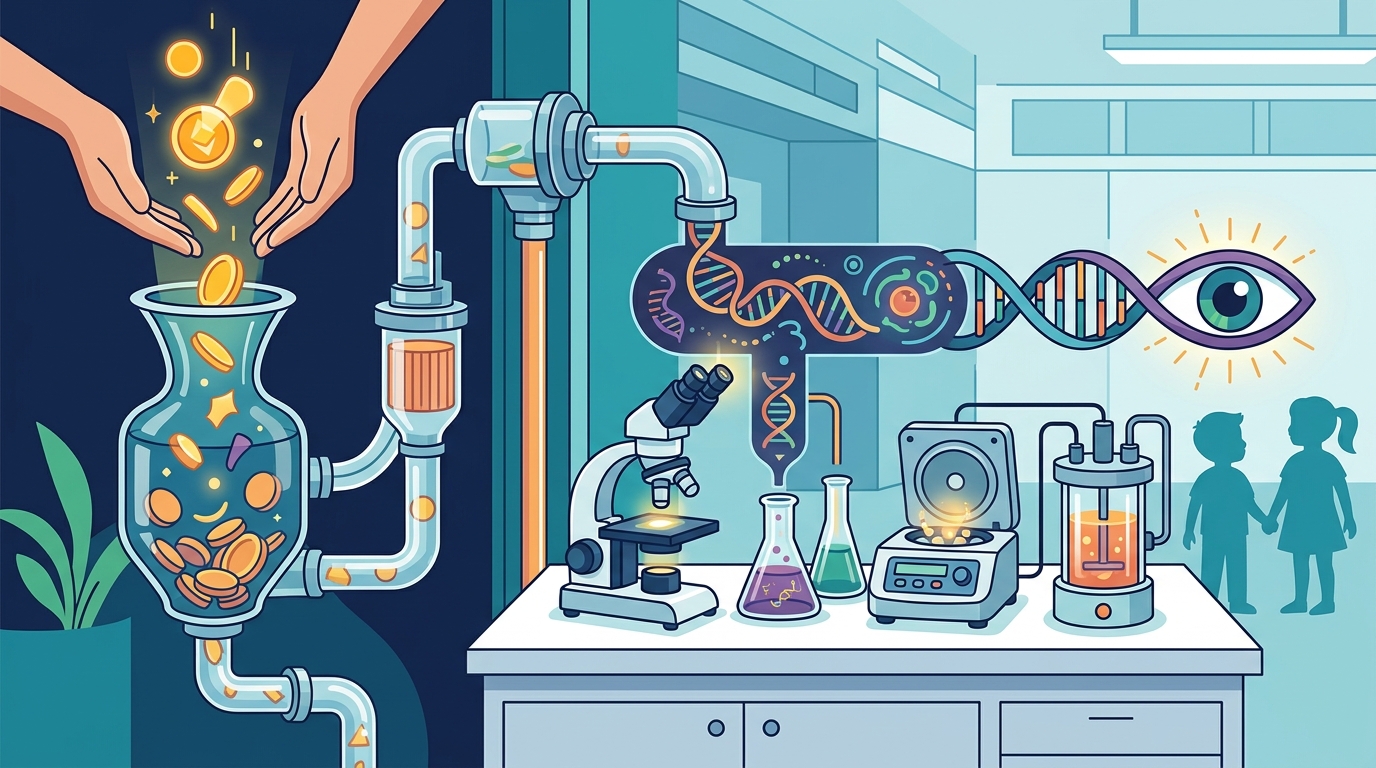
The primary target for current funding efforts is a specific gene therapy for RP caused by BBS-1. This approach leverages the success of similar therapies, such as Luxturna, which is FDA-approved for retinitis pigmentosa due to Leber congenital amaurosis. By using a similar gene therapy model, researchers can adapt existing frameworks to treat BBS-related blindness more rapidly.
Donations also support the Comprehensive IRD Education Hub. This resource provides critical information for newly diagnosed families. Understanding the condition is the first step in managing it. The hub offers guides on clinical trials, condition databases, and community support networks. This educational infrastructure ensures that families are not navigating the complex medical landscape alone.
Methods to Support the Mission
There are several structured ways to contribute to the fight against childhood blindness. Each method offers different benefits depending on the donor's capacity and interest.
| Donation Method | Description | Best For |
|---|---|---|
| Direct Monetary Donation | A one-time or recurring cash contribution that goes directly into the research fund. | Individuals seeking immediate impact. |
| Fundraiser Entries | Entering giveaways such as electric vehicles or motorhomes to raise awareness and funds. | Those who want to engage with the community. |
| Corporate Sponsorship | Partnerships that provide significant capital and brand visibility. | Businesses looking for CSR opportunities. |
| Planned Giving | Legacy gifts or estate planning contributions. | Long-term supporters. |
The organization is exempt under Section 501(c)(3) of the Internal Revenue Code. This status ensures that donations are tax-deductible for contributors in the United States. Donors receive official receipts for their contributions, which can be used for tax filing purposes. This financial efficiency allows the organization to maintain its headquarters as a functional mailbox, avoiding the overhead costs of traditional office spaces.
The Impact of Strategic Giving
Strategic giving changes the trajectory of childhood blindness. When funds are directed toward specific gene therapies, the timeline for patient treatment shortens. The foundation's focus on BBS-1 addresses a rare but devastating cause of childhood blindness. By targeting specific genetic mutations, the research avoids the broad, unfocused spending that often plagues general medical charities.
The community aspect of giving is also powerful. Families affected by Bardet-Biedl Syndrome often feel isolated. Donors become part of a larger movement advocating for these children. This collective voice can influence policy and attract further scientific interest. The foundation's presence in national media, including features on major morning shows, amplifies this reach.
According to health data, the prevalence of inherited retinal diseases affects millions of people worldwide. However, the lack of specialized treatment options leaves many without hope. Donations help shift this narrative from despair to possibility. Every contribution supports the clinical trials that are currently underway. These trials are the final hurdle before new therapies can reach patients.
Key Takeaways
- Private Funding is Critical: Non-profit donations drive the majority of early-stage research for rare genetic blindness.
- Targeted Therapy: Current efforts focus on gene therapy for BBS-1, leveraging models like Luxturna.
- Efficient Operations: The organization minimizes overhead by operating from a functional mailbox rather than a traditional office.
- Tax Benefits: Donations are tax-deductible due to the organization's 501(c)(3) status.
- Educational Resources: Funds support a comprehensive hub for newly diagnosed families.
- Community Engagement: Fundraisers offer a unique way to support the cause while engaging with the community.
- Urgency: Progressive vision loss in BBS patients often leads to blindness in the teenage years.
Frequently Asked Questions
Is my donation tax-deductible?
Yes, A Race Against Blindness is exempt under Section 501(c)(3). All monetary donations are tax-deductible to the fullest extent allowed by law. You will receive a receipt for your records.
What is Bardet-Biedl Syndrome?
Bardet-Biedl Syndrome (BBS) is a genetic condition that affects multiple organ systems, including the eyes. It is one of the causes of retinitis pigmentosa in young children and can lead to progressive vision loss.
How does the foundation use its funds?
The foundation directs funds primarily toward sight-saving clinical trials for RP/BBS1. A small portion supports the IRD Education Hub and operational costs, which are kept minimal.
Can I enter fundraisers to donate?
Yes, the foundation hosts various fundraisers, including vehicle giveaways and cash prizes. Entering these events supports the mission while offering a chance to win prizes.
What is Retinitis Pigmentosa?
Retinitis pigmentosa (RP) is a group of rare genetic disorders that cause a breakdown and loss of cells in the retina, leading to slow vision loss.
How can I stay updated on clinical trials?
You can subscribe to the foundation's newsletter or visit the Clinical Trial Education page for the latest updates on research progress and patient eligibility.
Does the foundation offer resources for newly diagnosed families?
Yes, the Comprehensive IRD Education Hub provides resources for newly diagnosed families, including guides on managing the condition and finding support.
Take Action Today
The race against childhood blindness is won through collective action. You can make a tangible difference by supporting the clinical trials that are developing the next generation of gene therapies. Visit the donate page to make a secure contribution. Alternatively, explore the current fundraisers to support the cause through engagement. Every dollar brings us closer to a future where childhood blindness is a thing of the past.