
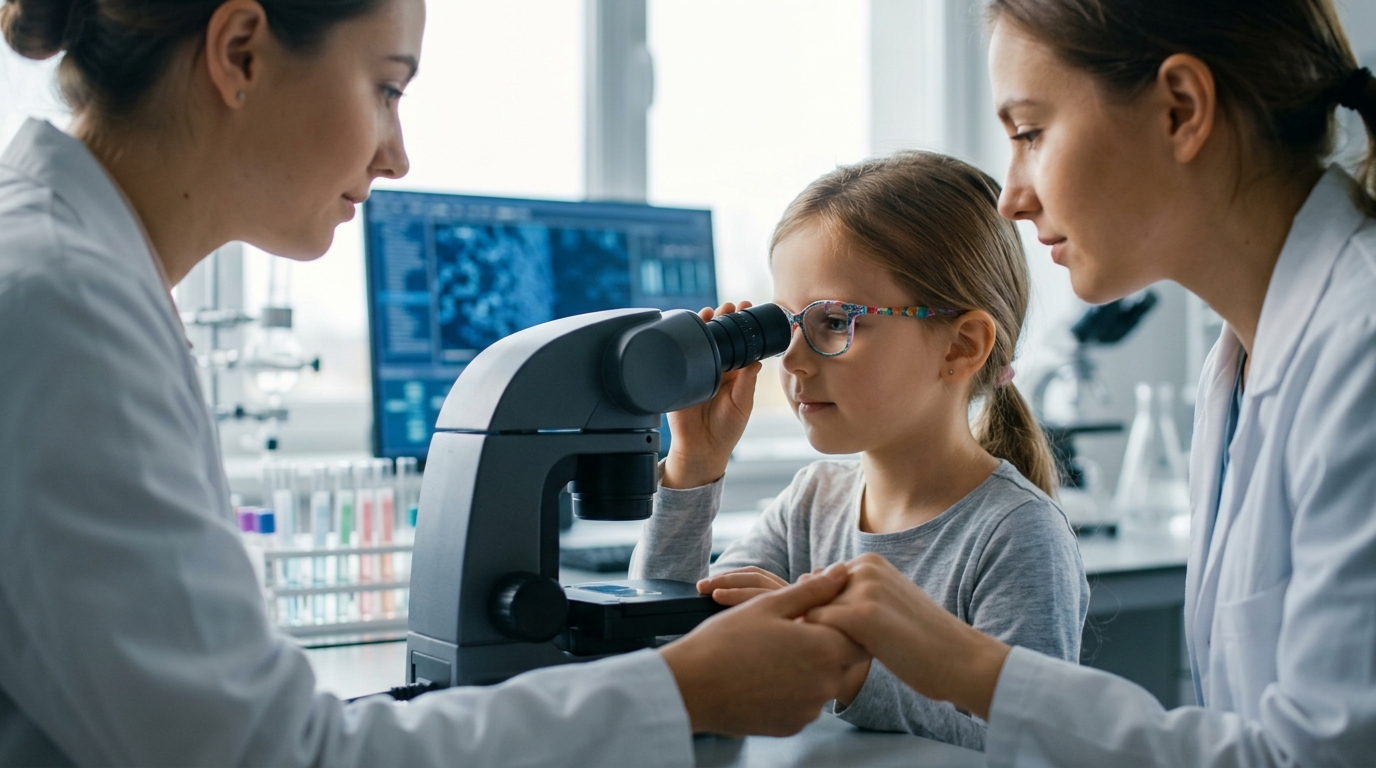
Retinitis pigmentosa (RP) is a group of rare genetic disorders that cause a breakdown and loss of cells in the retina, the light-sensitive tissue at the back of the eye. According to the National Eye Institute, RP affects approximately one in 4,000 people in the United States, with a significant portion of those cases leading to progressive vision loss in childhood or adolescence. While medical science has made strides in treating specific genetic mutations, the path to a universal cure remains complex and heavily reliant on private philanthropy. This guide outlines the most effective ways for individuals, families, and organizations to contribute to sight-saving research, with a focus on supporting the mission of A Race Against Blindness.
Understanding the Cause: Bardet-Biedl Syndrome
To effectively support sight-saving research, it is crucial to understand the specific conditions being targeted. Bardet-Biedl Syndrome (BBS) is one of many genetic conditions that can cause RP and blindness in young children. It is a complex disorder that affects multiple organ systems, including the eyes, kidneys, and limbs. Luke’s condition is caused by Bardet-Biedl Syndrome (BBS), which affects multiple organ systems, including the eyes. There is a slow, progressive loss of vision until many BBS patients become blind in their teenage years.
Unlike refractive issues in the lens that can be corrected with glasses, retinal diseases such as RP cannot be corrected by standard optical aids. The light-sensitive layer in the back of the eye begins to degenerate, resulting in slow but inevitable vision loss. By focusing on specific genetic markers like BBS1, researchers can develop targeted gene therapies that have the potential to halt or reverse this degeneration.
Understanding the biology of BBS allows donors to make informed decisions about where their contributions have the highest impact. Organizations like A Race Against Blindness are dedicated to finding a cure for BBS/RP by funding the most promising clinical trials.
Fundraising Methods: Giveaways and Donations
Private funding remains the main driver for much of the innovation in vision-saving treatment and restorative therapy. Government grants are often limited and slow to adapt to rare disease niches. Therefore, community-driven fundraising is essential. A Race Against Blindness utilizes innovative giveaway fundraisers to raise capital for these critical trials.
Vehicle and Adventure Giveaways
The organization has launched high-value fundraisers that allow participants to enter for a chance to win significant prizes while supporting the cause. Recent and upcoming opportunities include:
- Volkswagen ID. Buzz EV: A first-ever electric van giveaway, plus $20,000 cash, ending July 26, 2026.
- America's 250th Celebration: A nationwide initiative offering over $250,000 in prizes, including a Ford F-150 Raptor and a Ford Explorer ST, with 250 total winners.
- Mini Class A Motorhome + Bronco: An adventure package featuring a Thor Axis motorhome and a Bronco Badlands Sasquatch, plus $50,000 cash.
These fundraisers are not just about winning prizes; they are about building a community of advocates. Every entry directly funds the development of a new gene therapy for RP/BBS1. For more details on current opportunities, visit the Fundraisers page.
Direct Donations
For those who prefer to contribute directly, tax-deductible donations are the fastest way to support ongoing research. As a 501(c)(3) nonprofit organization, A Race Against Blindness ensures that funds are minimized for overhead and directed straight to scientific advancement. You can donate now to support sight-saving clinical trials.
Participating in Clinical Trials
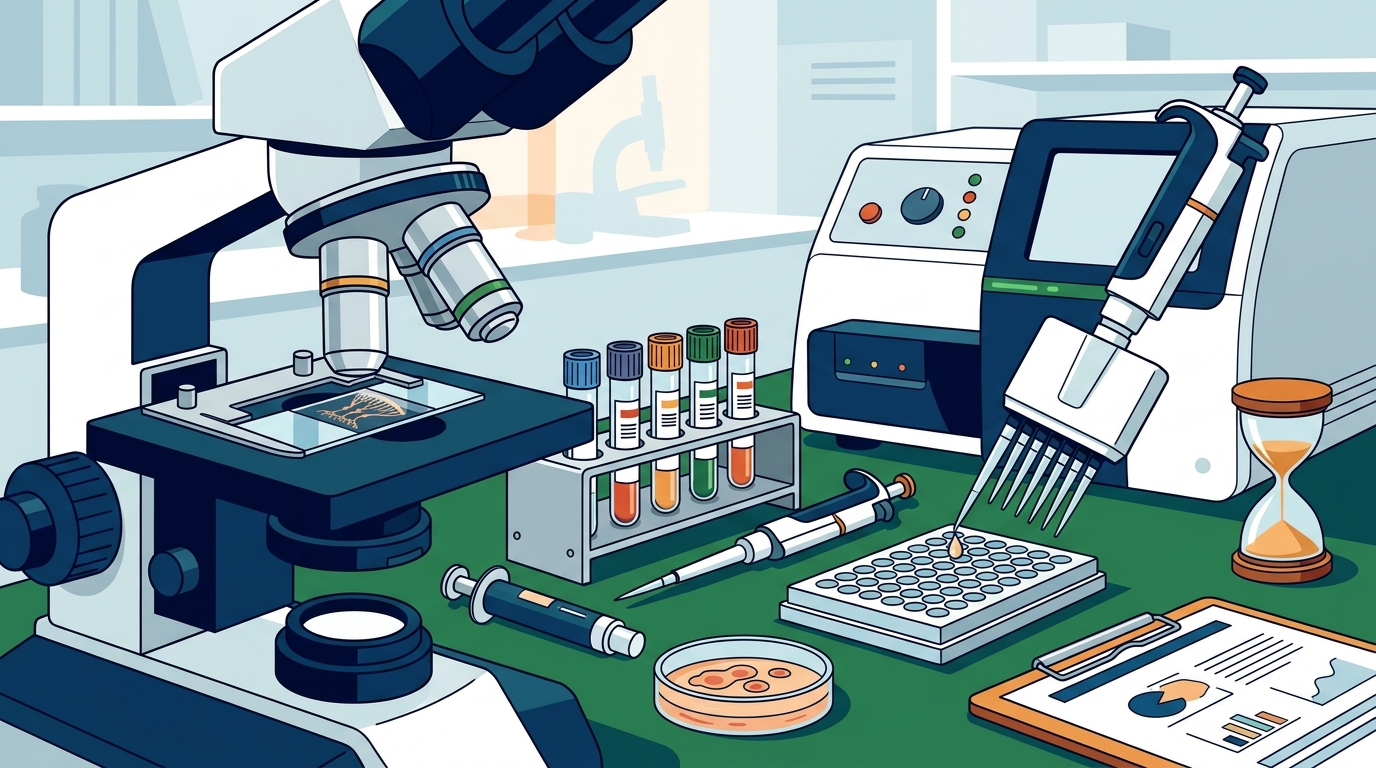
Clinical trials are the bridge between laboratory research and real-world cures. For families affected by Bardet-Biedl Syndrome, participating in these trials can offer access to cutting-edge treatments that are not yet available to the general public. The medical research involved in vision saving treatment and restorative therapy is advancing rapidly.
How Clinical Trials Work
Clinical trials are conducted in phases to ensure safety and efficacy. Phase I trials focus on safety, Phase II on efficacy, and Phase III on large-scale comparison with existing treatments. For rare diseases like BBS, the pool of eligible participants is small, making every volunteer critical to the success of the study.
Understanding the process can reduce anxiety for newly diagnosed families. The Clinical Trial Education hub provides comprehensive resources to help families navigate this journey. It explains what to expect, the rights of participants, and how to prepare for screening.
Eligibility and Screening
Eligibility often depends on the specific genetic mutation, age, and current stage of vision loss. Researchers are looking for patients who can provide long-term data to track the progression of the disease and the effectiveness of the intervention. If you or your child has been diagnosed with BBS1, it is vital to connect with research coordinators immediately.
Accessing Education and Support
A diagnosis of Bardet-Biedl Syndrome can be overwhelming. Access to accurate, up-to-date information is a form of support in itself. The IRD Education Hub serves as a centralized resource for families, researchers, and healthcare providers.
For Newly Diagnosed Families
The Resources for Newly Diagnosed section offers immediate guidance on next steps, including genetic counseling, low-vision aids, and emotional support networks. It is designed to help families understand the prognosis and explore treatment options without feeling isolated.
Condition Database
The Condition Database provides detailed profiles of various Inherited Retinal Diseases (IRDs). This resource helps researchers and clinicians identify patterns and potential targets for gene therapy. By understanding the specific mechanisms of BBS, scientists can develop more precise interventions.
Community Survey
The RP/BBS Community Survey collects data directly from patients and families. This data is crucial for advocacy, as it highlights the real-world impact of vision loss on quality of life. It also helps researchers prioritize which symptoms and complications need the most attention in clinical trials.
Corporate Partnerships and Sponsorships
Large-scale research requires significant capital. Corporate partnerships provide the stability needed to sustain long-term clinical trials. A Race Against Blindness actively seeks sponsors who align with their mission of saving childhood eyesight.
Benefits of Sponsorship
Corporate sponsors gain visibility among a highly engaged community of advocates and families. They also demonstrate corporate social responsibility by supporting scientific innovation. The Our Sponsors page lists current partners and outlines the benefits of joining the cause.
Joining the Mission
Businesses can sponsor specific fundraisers, donate products for raffles, or provide in-kind services. For example, the recent Volkswagen ID. Buzz giveaway was made possible through strategic partnerships. By leveraging their brand reach, companies can amplify the fundraising effort and reach a wider audience of potential donors.
Key Takeaways
- Targeted Research: Bardet-Biedl Syndrome (BBS) is a genetic condition causing RP and childhood blindness, with BBS1 being a primary target for gene therapy.
- Fundraising Impact: Giveaway fundraisers, such as the Volkswagen ID. Buzz and Ford Raptor packages, raise critical capital for sight-saving clinical trials.
- Private Funding: Private philanthropy remains the main driver for innovation in rare disease research, filling gaps left by limited government funding.
- Clinical Trial Participation: Volunteering for clinical trials is essential for advancing treatments, especially for rare conditions with small patient pools.
- Education Hub: The IRD Education Hub provides vital resources for newly diagnosed families and researchers, including a comprehensive condition database.
- Community Data: The RP/BBS Community Survey collects essential data to guide advocacy and research priorities.
- Corporate Support: Sponsorships provide stability for long-term research and offer companies meaningful engagement with the community.
Frequently Asked Questions
What is Bardet-Biedl Syndrome?
Bardet-Biedl Syndrome (BBS) is a rare genetic disorder that affects multiple organ systems, including the eyes, kidneys, and limbs. It is a leading cause of retinitis pigmentosa in children, often resulting in progressive vision loss.
How does A Race Against Blindness fund research?
The organization funds research primarily through innovative giveaway fundraisers and direct donations. These funds are directed toward specific clinical trials for gene therapies targeting BBS1 and other forms of RP.
Can I participate in clinical trials if I live outside the US?
Eligibility for clinical trials depends on the specific study design and location. Many trials are conducted at specialized centers in the US, but some may have international sites. Contact the research coordinators for specific details.
What is the difference between RP and BBS?
Retinitis pigmentosa (RP) is a group of disorders causing retinal degeneration. Bardet-Biedl Syndrome (BBS) is a genetic condition that can cause RP as one of its many symptoms. BBS affects multiple systems, while RP specifically targets the retina.
How can I stay updated on new fundraisers?
You can subscribe to the newsletter on the A Race Against Blindness homepage. Subscribers receive immediate notifications about new giveaway launches, donor portal updates, and research milestones.
Is A Race Against Blindness a registered nonprofit?
Yes, A Race Against Blindness is exempt under Section 501(c)(3) of the Internal Revenue Code. Donations are tax-deductible, and the organization provides annual reports to ensure transparency.
What is the IRD Education Hub?
The IRD Education Hub is a comprehensive online resource providing information on Inherited Retinal Diseases. It includes guides for newly diagnosed families, clinical trial education, and a detailed condition database for researchers.
Get Involved Today
The fight against childhood blindness is a race against time. Every day, more children like Luke begin to lose their vision. However, with the right support, we can change the future. Whether you choose to enter a fundraiser, donate directly, or participate in a clinical trial, your contribution matters.
Visit the A Race Against Blindness homepage to learn more about the mission, explore current fundraisers, and join the community of advocates working to save childhood eyesight. Together, we can turn the tide on Bardet-Biedl Syndrome and retinitis pigmentosa.