
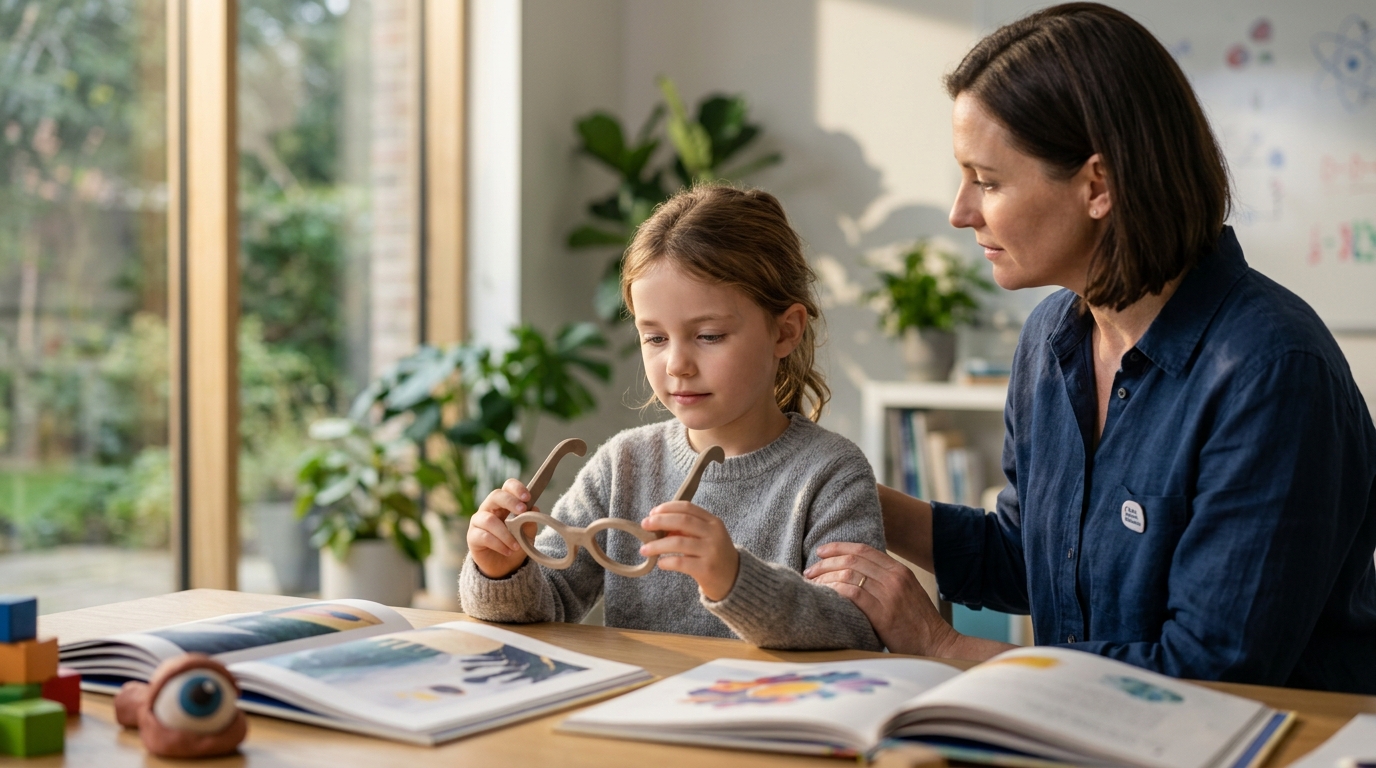
Retinitis pigmentosa (RP) is a group of rare genetic disorders that cause a breakdown and loss of cells in the retina, the light-sensitive tissue at the back of the eye. According to the National Eye Institute, RP affects approximately one in 4,000 people worldwide, with a significant portion of those cases presenting in childhood. For families navigating this diagnosis, the path forward often feels uncertain. However, the landscape of pediatric vision care is shifting. Advances in gene therapy and targeted clinical trials offer tangible hope where there was once only management. This guide outlines the most effective ways to support children affected by RP, from direct financial contributions to advocacy and community building. (A Race Against Blindness)
Understanding Retinitis Pigmentosa and BBS
To make a meaningful difference, it is essential to understand the specific conditions driving childhood blindness. Retinitis pigmentosa is not a single disease but a collection of genetic conditions. Bardet-Biedl Syndrome (BBS) is one of the most common genetic causes of RP in young children. Bardet-Biedl Syndrome (BBS) is a pleiotropic disorder characterized by rod-cone dystrophy, obesity, polydactyly, and renal abnormalities.
Children diagnosed with BBS1, a specific subtype, often experience night blindness in early childhood. This is followed by a slow, progressive loss of peripheral vision. Without intervention, many patients become legally blind by their teenage years. The medical community recognizes that while refractive errors can be corrected with glasses, retinal diseases like RP cannot. This distinction highlights the critical need for restorative therapies rather than just corrective lenses.
Understanding the biological mechanism is the first step in advocacy. When the retina degenerates, the photoreceptor cells die. Once these cells are lost, they do not regenerate naturally. Therefore, treatments must either protect remaining cells or replace their function. This is where targeted research becomes vital. Organizations focusing on these specific genetic markers are accelerating the pace of discovery.
Funding Sight-Saving Clinical Trials
The most direct way to impact the future of children with RP is through funding clinical trials. Private philanthropy remains the primary driver for innovation in rare disease research. Government funding often prioritizes more common conditions, leaving a gap that non-profits must fill. By supporting specific gene therapies, donors help bridge the gap between laboratory discovery and patient availability.
Current efforts are heavily focused on gene replacement therapies. For example, Luxturna is an FDA-approved therapy for retinitis pigmentosa due to Leber congenital amaurosis. This therapy uses a similar viral vector approach to deliver functional copies of the defective gene. Researchers are now adapting this technology for BBS1-related RP. Supporting these trials helps cover the high costs of manufacturing and patient monitoring.
Donations to specialized foundations ensure that these trials can proceed without financial interruption. These organizations often operate with lean overhead structures to maximize the impact of every dollar. They work closely with academic medical centers to identify eligible patients and monitor safety outcomes. Your contribution helps keep these critical studies alive.
Supporting Newly Diagnosed Families
A diagnosis of RP or BBS is life-altering for a family. The immediate aftermath is often filled with fear and confusion. Providing resources for newly diagnosed families can alleviate some of this burden. Educational hubs and community surveys play a crucial role in connecting isolated parents with shared experiences.
Families need accurate, accessible information about what to expect. This includes understanding the progression of vision loss and available low-vision aids. It also involves connecting with other families who have navigated similar paths. Peer support networks provide emotional stability and practical advice on navigating the healthcare system.
Organizations like A Race Against Blindness provide comprehensive education hubs. These resources cover everything from the basics of IRD (Inherited Retinal Diseases) to detailed guides on how clinical trials work. By democratizing this information, families can make informed decisions about their children's care. This support network is invaluable during the initial shock of diagnosis.
Advocacy and Public Awareness
Public awareness is a powerful tool for driving change. When more people understand the reality of childhood blindness, they are more likely to support research and policy changes. Advocacy involves sharing stories, participating in fundraisers, and engaging with media outlets.
Storytelling humanizes the statistics. When families share their journeys, it creates empathy and drives engagement. For instance, personal stories featured on national platforms like Good Morning America help propel missions to a broader audience. These features highlight the urgency of the situation and the potential for hope through science.
Advocacy also extends to policy. Supporting legislation that funds rare disease research ensures long-term sustainability. It also promotes accessibility standards in schools and public spaces. Children with vision loss need inclusive environments to thrive. Advocacy helps secure these necessary accommodations.
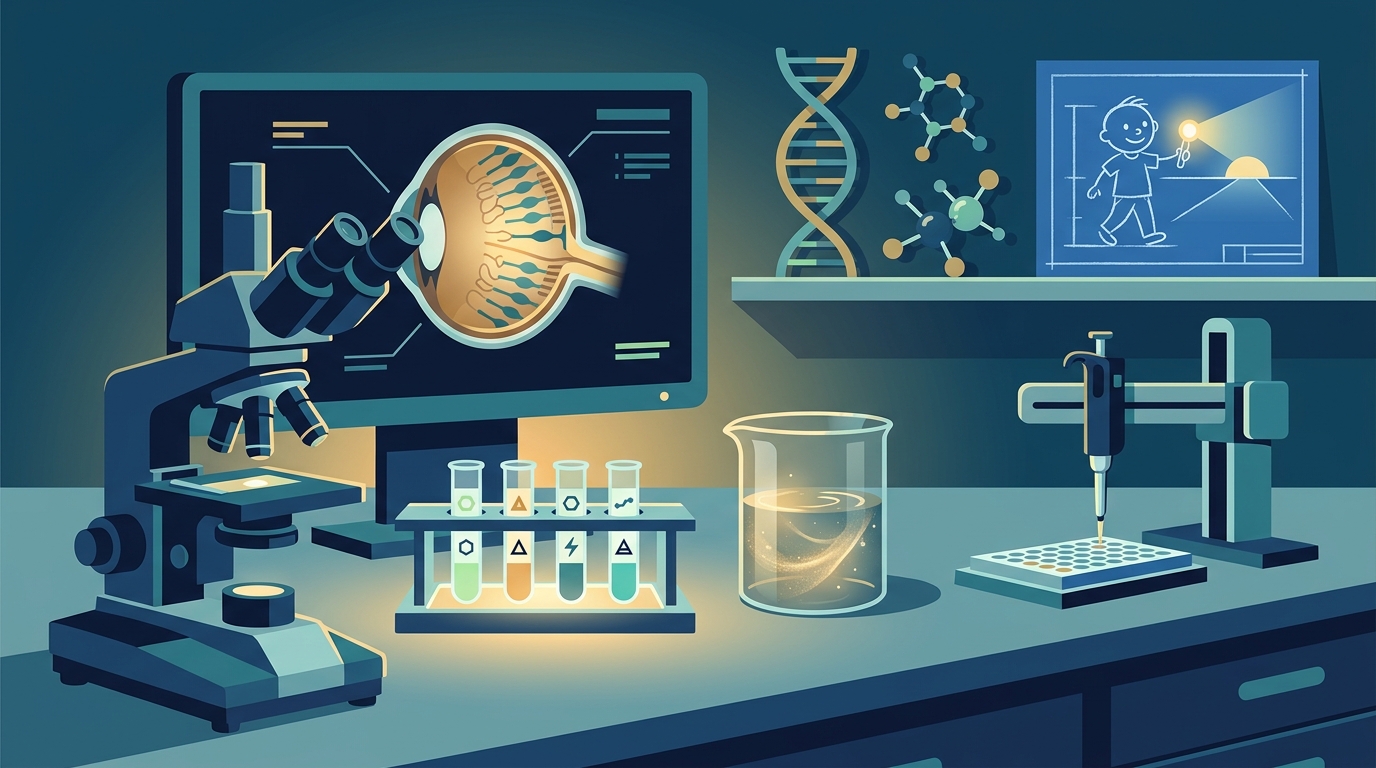
Ways to Contribute: A Comparison
Choosing how to help can be difficult. Below is a comparison of common contribution methods to help you decide where your efforts will have the most impact.
| Contribution Method | Primary Impact | Best For | Estimated Reach |
|---|---|---|---|
| Direct Donation | Funding specific gene therapy trials | Accelerating medical breakthroughs | High (Direct patient benefit) |
| Fundraiser Entry | Raising capital through giveaways | Engaging the broader community | Medium (Awareness + Funds) |
| Educational Support | Providing resources to families | Reducing family isolation | Medium (Long-term support) |
| Advocacy & Sharing | Increasing public awareness | Driving policy and cultural change | Variable (Network dependent) |
Key Takeaways
- RP is a genetic retinal degeneration: It causes progressive vision loss that cannot be corrected with glasses.
- BBS is a major cause: Bardet-Biedl Syndrome is a leading genetic driver of childhood RP.
- Private funding is critical: Philanthropy drives the majority of rare disease innovation.
- Gene therapy is advancing: Treatments like Luxturna prove that restorative therapy is possible.
- Education reduces fear: Resources for newly diagnosed families are essential for coping.
- Advocacy creates change: Public awareness drives policy and funding priorities.
- Community support matters: Connecting families helps them navigate the journey together.
Frequently Asked Questions
What is Retinitis Pigmentosa?
Retinitis pigmentosa (RP) is a group of rare genetic disorders that cause a breakdown and loss of cells in the retina, leading to progressive vision loss.
How does Bardet-Biedl Syndrome relate to blindness?
Bardet-Biedl Syndrome (BBS) is a genetic condition that often causes RP. It affects multiple organ systems, including the eyes, leading to childhood-onset night blindness and eventual vision loss.
Can RP be cured?
Currently, there is no universal cure for RP. However, gene therapies are being developed to treat specific genetic causes, offering hope for halting or reversing vision loss.
How can I donate to RP research?
You can donate directly to non-profits funding sight-saving clinical trials. These organizations use private funding to support innovative therapies for children.
What resources are available for newly diagnosed families?
Educational hubs and community surveys provide comprehensive information about IRD, clinical trials, and coping strategies for newly diagnosed families.
Why is private funding important for RP research?
Private funding remains the main driver for innovation in rare diseases. It allows for rapid progression of clinical trials that might otherwise lack government support.
What is a clinical trial?
A clinical trial is a research study performed in people that is aimed at evaluating a medical, surgical, or behavioral intervention. In RP, these trials test new gene therapies.
How does RP affect daily life?
RP causes slow vision loss, starting with night blindness. It affects activities like reading, driving, and recognizing faces, requiring adaptation and low-vision aids.
Take Action Today
The fight against childhood blindness is a race against time. Every day, children like Luke face the prospect of losing their sight. But with your help, we can change that future. By supporting sight-saving clinical trials, you are investing in a world where children can see, learn, and thrive.
Join us in this mission. Explore our current fundraisers to see how you can contribute. Visit our IRD Education Hub to learn more about the conditions we fight. Together, we can ensure that no child has to race against blindness alone.