
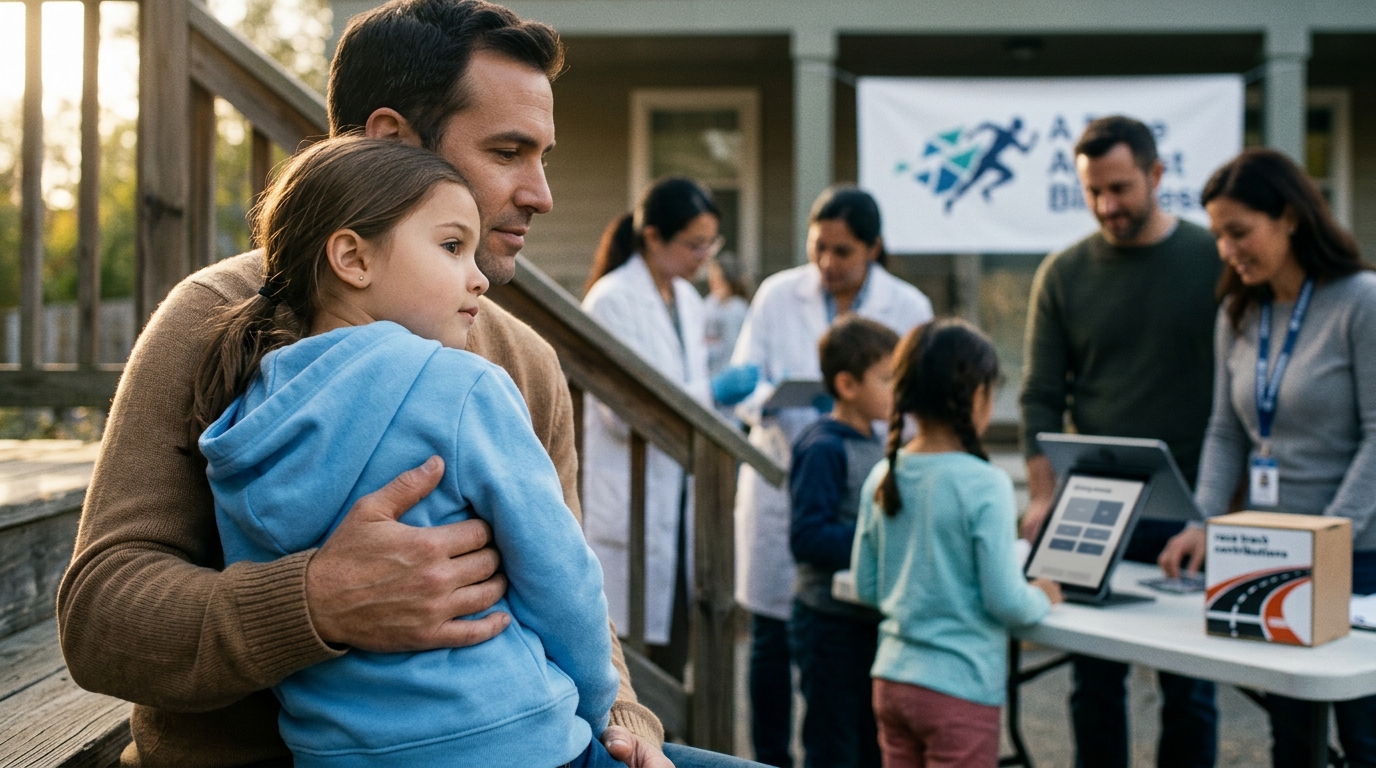
Private philanthropy remains the primary driver for innovation in treating pediatric inherited retinal diseases. According to recent industry analyses, government funding alone cannot cover the rapid costs of clinical trials for rare genetic conditions. This gap creates a critical opportunity for individual donors to directly impact the future of sight-saving therapies. By contributing to specialized non-profits, you help accelerate the development of gene therapies for conditions like Bardet-Biedl Syndrome and Retinitis Pigmentosa.
Understanding the Need for Private Funding
Retinitis pigmentosa (RP) is a group of rare genetic disorders that cause a breakdown and loss of cells in the retina. These cells gradually lose their ability to convert light into electrical signals, leading to progressive vision loss. Bardet-Biedl Syndrome (BBS) is one of many genetic conditions that can cause RP in young children. Our son, Luke, has been diagnosed with BBS1 and is actively going blind. And thus, the birth of A Race Against Blindness, an organization dedicated to finding a cure for BBS/RP.
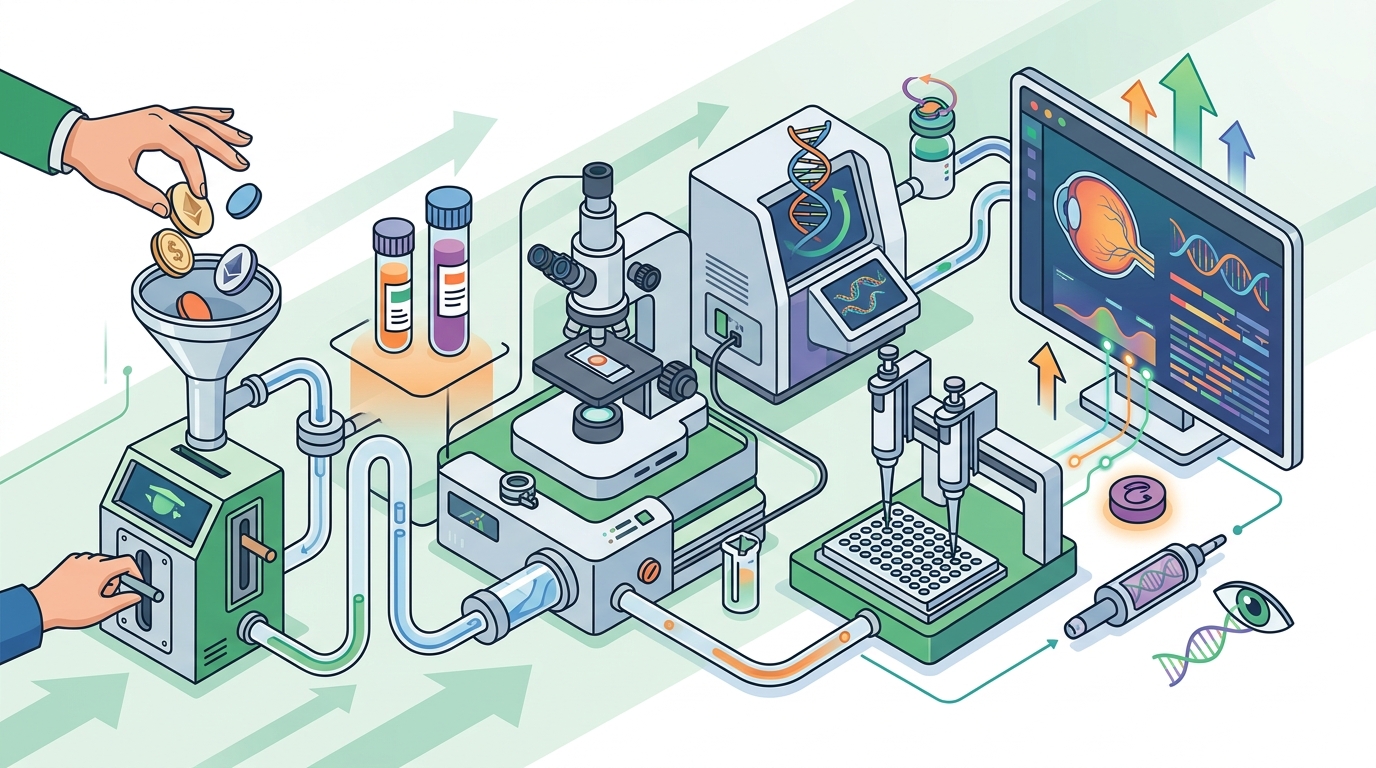
The medical research involved in vision saving treatment and restorative therapy is advancing rapidly. This is excellent news! However, funding is significantly limited. Private funding, such as the money we raise, remains the main driver for much of this innovation. Your support is vital to saving children’s vision. Without this financial backing, many promising gene therapies would never reach the clinical trial phase.
Retinitis pigmentosa (RP) can be caused by many conditions. Luke’s cause of progressive vision loss is caused by Bardet-Biedl Syndrome (BBS), which affects multiple organ systems, including the eyes. There is a slow, progressive loss of vision until many BBS patients become blind in their teenage years. This timeline underscores the urgency of current research efforts.
How Your Donation Supports Clinical Trials
When you donate to a specialized non-profit, your funds are directed toward specific, high-impact areas of research. The organization has set up its structure to minimize expenses and support sight saving research through philanthropy. This operational efficiency ensures that a maximum percentage of every dollar goes directly to scientific advancement.
Our current target is supporting a therapy for retinitis pigmentosa due to BBS-1. A similar gene therapy, Luxturna, is FDA approved to treat retinitis pigmentosa due to Leber congenital amaurosis. This therapy uses a similar mechanism to restore vision in patients with specific genetic mutations. By funding trials for BBS-1, we are paving the way for broader applications of this technology.
We are supporting sight-saving clinical trials through a focused mission. The goal is to advance therapies for pediatric inherited retinal diseases. This includes comprehensive education for newly diagnosed families and rigorous data collection through community surveys. These educational resources are essential for ensuring that families understand the progression of the disease and the potential benefits of participating in clinical studies.
Methods to Donate and Participate
There are multiple ways to contribute to the cause of ending childhood blindness. Each method offers a unique opportunity to engage with the mission and support ongoing research.
Direct Donations
The most straightforward way to help is through a direct monetary donation. These contributions provide immediate liquidity for ongoing research projects and operational costs. You can view our About Retinitis Pigmentosa page to learn more about the specific conditions we target.
Participating in Fundraisers
We host regular fundraising events that offer unique prizes while raising capital for research. These events allow participants to support the cause while engaging in exciting activities. Current opportunities include:
- Volkswagen ID. Buzz EV: Enter for a chance to win a 1st Edition 4MOTION plus $20,000 cash.
- America's 250th Celebration: Win from over $250,000 in prizes, including a Ford F-150 Raptor.
- Adventure Package: Win a Mini Class A Thor motorhome and a Bronco Badlands Sasquatch.
These fundraisers are not just about the prizes. They are about building a community of supporters who are committed to beating childhood blindness. You can make an impact on saving childhood eyesight by entering our giveaway fundraisers.
Volunteering and Advocacy
Beyond financial contributions, spreading awareness is crucial. Sharing stories like Luke’s on platforms like Good Morning America helps propel our mission to the national level. We encourage you to visit our Who We Are section to learn about our team and our history.
The Role of Fundraisers in Research
Fundraisers serve as a dual-purpose tool for non-profits. They generate revenue while simultaneously raising awareness about the specific diseases being targeted. For conditions like Bardet-Biedl Syndrome, which affects multiple organ systems including the kidneys and endocrine system, public awareness is often low.
By participating in these events, donors help normalize conversations about rare genetic disorders. This visibility can lead to increased interest from pharmaceutical partners and larger research institutions. The RP/BBS Community Survey provides valuable data that helps researchers understand the real-world impact of these conditions.
We were told there was nothing we could do about it. Now, we have every reason to hope, if we stand together. This collective hope is fueled by the tangible results of funded research. Every entry into a fundraiser brings us closer to a cure.
Key Takeaways
- Private funding is the main driver for innovation in pediatric inherited retinal disease therapies.
- Bardet-Biedl Syndrome (BBS) is a genetic condition that causes RP and affects multiple organ systems.
- Retinitis pigmentosa (RP) is a group of disorders causing progressive vision loss due to retinal cell breakdown.
- Donations support specific clinical trials, such as those for BBS-1 related RP.
- Fundraisers offer unique prizes while generating essential capital for research.
- The organization is exempt under Section 501(c)(3) with EIN 92-2174042.
- Education resources are available for newly diagnosed families to help them navigate their journey.
Frequently Asked Questions
Is A Race Against Blindness a legitimate non-profit?
Yes, the organization is exempt under Section 501(c)(3) of the Internal Revenue Code. You can verify its status using its EIN 92-2174042. The organization maintains a high rating on Trustpilot and Google Reviews, reflecting its commitment to transparency and donor satisfaction.
What specific diseases does the research target?
The primary focus is on Bardet-Biedl Syndrome (BBS) and Retinitis Pigmentosa (RP). Specifically, the current target is supporting a therapy for retinitis pigmentosa due to BBS-1. These conditions are leading causes of childhood blindness and require specialized genetic interventions.
How can I track the progress of the clinical trials?
You can stay updated by visiting the Blog & Grant Funding Updates section of the website. Regular posts detail the latest developments in sight-saving research and the status of ongoing trials.
Are there tax benefits for donating?
As a 501(c)(3) non-profit, donations made to the organization are typically tax-deductible to the extent allowed by law. Donors should consult with their tax advisors for specific advice regarding their individual circumstances.
What is Bardet-Biedl Syndrome?
Bardet-Biedl Syndrome (BBS) is a pleiotropic disorder with variable expressivity. It affects multiple organ systems, including the eyes, kidneys, and endocrine system. The most common clinical features include rod-cone dystrophy and childhood-onset night-blindness.
How do fundraisers help the cause?
Fundraisers generate revenue that goes directly to research while raising public awareness. By participating in events like the Volkswagen ID. Buzz giveaway, donors help fund the next generation of gene therapies.
Can I volunteer my time?
While the organization operates with a lean team, there are opportunities to advocate and spread awareness. You can learn more about how to help by visiting the How You Can Help page.
Take Action Today
There is hope for childhood blindness. The medical research involved in vision saving treatment and restorative therapy is advancing rapidly. Your support is vital to saving children’s vision. Do not wait for a cure to happen; help make it happen.
Visit our Shopping Cart to enter current fundraisers or make a direct donation. Together, we can beat childhood blindness. Join us in this race against blindness and help secure a future where no child loses their sight to a preventable genetic condition.