

Retinitis pigmentosa (RP) is a rare, progressive genetic disorder that causes the breakdown and loss of cells in the retina, the light-sensitive tissue at the back of the eye. According to recent clinical data, RP affects approximately 1 in 4,000 people worldwide, making it one of the most common causes of inherited blindness. While the diagnosis can feel overwhelming, understanding the biological mechanisms behind the disease is the first step toward managing vision loss and accessing emerging therapies.
What is Retinitis Pigmentosa?
Retinitis pigmentosa (RP) is a group of rare genetic disorders that involve a breakdown and loss of cells in the retina. The retina is the tissue at the back of the eye that senses light and sends signals to the brain. When these cells degenerate, vision is progressively impaired. Unlike refractive errors like nearsightedness, which can be corrected with glasses, RP involves structural damage to the retinal tissue itself.
The term "pigmentosa" refers to the clumps of dark pigment that build up in the retina as the disease progresses. This accumulation is visible during an eye exam and serves as a key diagnostic marker. The condition is not a single disease but a spectrum of disorders that share similar symptoms and outcomes. Early detection is critical for patients seeking to preserve their remaining vision for as long as possible.
Understanding the nature of RP helps patients and families navigate the medical landscape. It is essential to distinguish RP from other forms of vision loss, such as macular degeneration, which typically affects central vision first. RP usually begins with the loss of peripheral vision, creating a "tunnel vision" effect. This distinction guides the type of support and adaptive strategies required for daily life.
Symptoms and Progression
The progression of retinitis pigmentosa is typically slow and gradual. Most patients experience a specific sequence of symptoms that worsen over time. Recognizing these early signs can lead to earlier intervention and better management of the condition.
Early Warning Signs
The most common early symptom is difficulty seeing in low light or at night. This condition, known as nyctalopia or night blindness, often appears in childhood or early adolescence. Patients may struggle to drive at night or navigate dark environments. Another early sign is the loss of peripheral vision. As the outer edges of the visual field shrink, individuals may bump into objects or have trouble with spatial awareness.
Advanced Stages
As the disease advances, central vision may also be affected. This leads to a loss of detailed vision, making it difficult to read, recognize faces, or perform fine motor tasks. In the final stages, many patients are classified as legally blind. However, legal blindness does not mean total darkness. Most individuals retain some form of light perception or central vision throughout their lives.
The rate of progression varies significantly between individuals. Some people maintain useful vision into their later years, while others experience rapid decline. Factors such as the specific genetic mutation and environmental influences play a role in this variability. Regular monitoring by an ophthalmologist is essential to track these changes accurately.
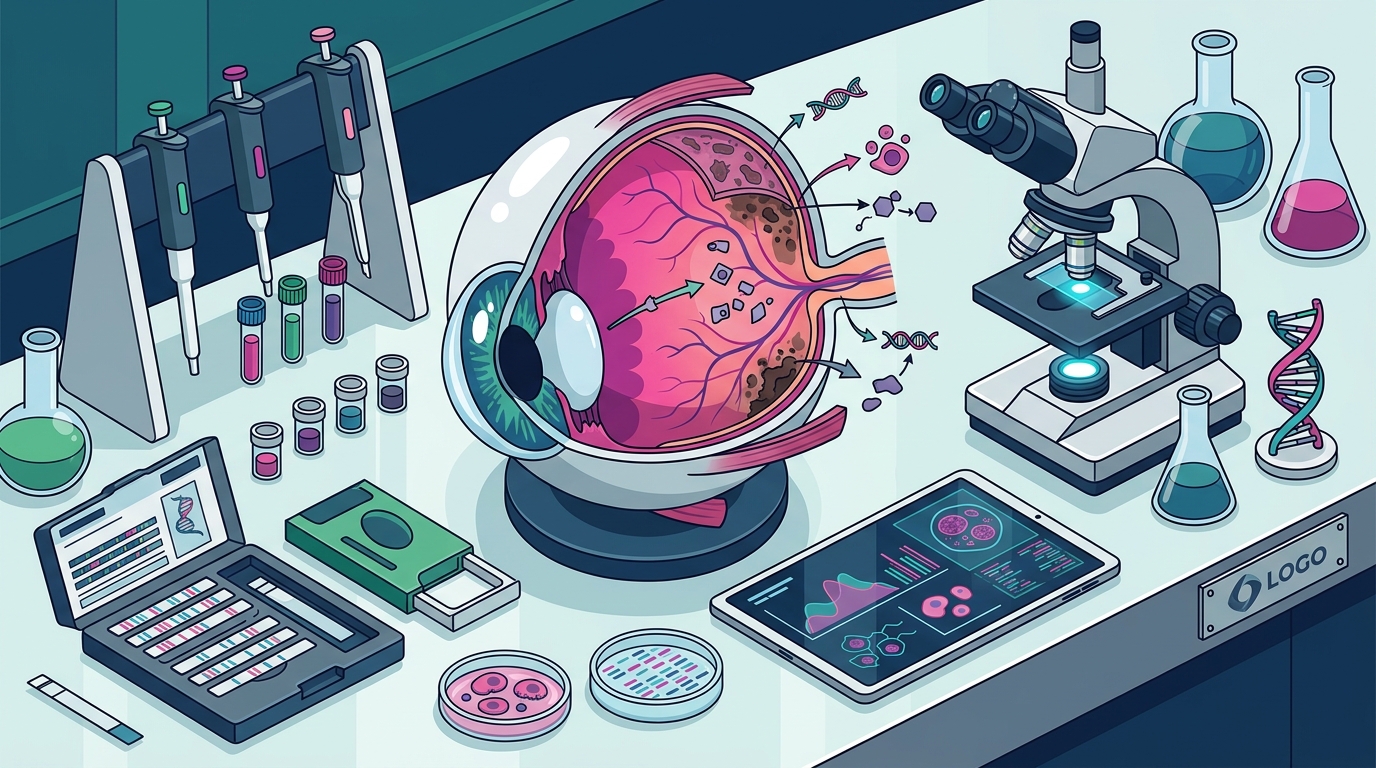
Genetic Causes and BBS
Retinitis pigmentosa is caused by mutations in one of many genes responsible for retinal function. These mutations disrupt the normal process of photoreceptor cell maintenance, leading to cell death. The inheritance patterns can be autosomal dominant, autosomal recessive, or X-linked, depending on the specific gene involved.
One specific genetic condition closely linked to RP is Bardet-Biedl Syndrome (BBS). Bardet-Biedl Syndrome (BBS) is a rare genetic disorder that affects multiple organ systems, including the eyes, kidneys, and limbs. BBS is one of many genetic conditions that can cause RP in young children. When RP is caused by BBS, it is often referred to as RP/BBS. The BBS1 gene mutation is a common culprit in these cases.
Understanding the genetic root of the disease is vital for families. Genetic counseling can help parents understand the risk of passing the condition to future children. It also opens doors to targeted therapies. For example, gene therapy trials are specifically designed to target mutations in the RPE65 gene or BBS1. This precision medicine approach offers hope where general treatments have failed.
Diagnosis and Genetic Testing
Diagnosing retinitis pigmentosa involves a comprehensive eye exam and specialized testing. An ophthalmologist will look for the characteristic pigment deposits in the retina. They will also assess the patient's visual field and night vision capabilities.
Electroretinography (ERG) is a key diagnostic tool. This test measures the electrical response of the eye's light-sensitive cells. In patients with RP, the ERG results are typically reduced or absent, confirming the loss of photoreceptor function. This objective data helps confirm the diagnosis and rule out other conditions.
Genetic testing has become a standard part of the diagnostic process. By identifying the specific gene mutation, doctors can predict the likely course of the disease. It also allows families to access relevant clinical trials. For those with Bardet-Biedl Syndrome, additional testing may be required to assess kidney and cardiac health, as BBS affects multiple systems.
Current Treatment Options
While there is currently no complete cure for retinitis pigmentosa, several treatments can help manage symptoms and slow progression. The goal of current therapies is to preserve existing vision and improve quality of life.
Visual Aids and Rehabilitation
Low vision specialists play a crucial role in helping patients adapt. They provide tools such as magnifiers, large-print books, and digital reading aids. Orientation and mobility training helps individuals navigate their environment safely. These services are often covered by insurance or provided through local agencies.
Nutritional Support
Some studies suggest that certain nutrients may help slow the progression of RP. High-dose vitamin A palmitate has been studied for its potential to slow decline, though it requires careful monitoring due to potential side effects. Omega-3 fatty acids are also recommended for retinal health. Patients should always consult their doctor before starting any supplement regimen.
Surgical Interventions
In cases where cataracts develop, which is common in RP patients, surgery can restore clarity. Additionally, retinal implants, often called "bionic eyes," are an option for some patients with advanced disease. These devices bypass damaged photoreceptors and stimulate the remaining retinal cells directly.
The Role of Clinical Trials
Clinical trials are the primary driver of innovation in treating retinitis pigmentosa. Private funding and nonprofit organizations are essential in supporting these studies. Without this support, many promising therapies would not reach the testing phase.
Gene therapy is at the forefront of this research. Luxturna, an FDA-approved therapy, treats RP caused by mutations in the RPE65 gene. This success has paved the way for trials targeting other genes, including BBS1. These trials aim to deliver a functional copy of the defective gene to retinal cells, potentially halting or reversing vision loss.
Participation in clinical trials offers patients access to cutting-edge treatments. It also contributes to the collective knowledge needed to find a cure. Organizations like A Race Against Blindness work to fund these trials and raise awareness. They provide resources for newly diagnosed families to understand how clinical trials work and how to qualify.
Key Takeaways
- Definition: Retinitis pigmentosa (RP) is a progressive genetic disorder causing retinal cell degeneration and vision loss.
- Prevalence: RP affects approximately 1 in 4,000 individuals globally, making it a significant cause of inherited blindness.
- Genetic Link: Bardet-Biedl Syndrome (BBS) is a multi-system genetic disorder that frequently causes RP in children.
- Early Symptoms: Night blindness and loss of peripheral vision are typically the first signs of the disease.
- Diagnosis: Electroretinography (ERG) and genetic testing are the gold standards for confirming RP and identifying specific mutations.
- Treatment: While no cure exists, low vision aids, nutritional support, and gene therapy trials offer management options.
- Hope: Advances in gene therapy, such as Luxturna, demonstrate that targeted treatments can restore function in specific genetic subtypes.
Frequently Asked Questions
Is retinitis pigmentosa the same as blindness?
RP is a cause of blindness, but it is not total blindness. Most patients retain some form of vision, such as light perception or central focus, throughout their lives. Legal blindness is a classification based on visual acuity and field, not a state of total darkness.
Can retinitis pigmentosa be cured?
Currently, there is no universal cure for RP. However, gene therapy has shown success in specific genetic subtypes. Research is ongoing, and many clinical trials are testing new therapies that could slow or reverse progression.
What is the difference between RP and Bardet-Biedl Syndrome?
RP is a condition affecting the retina. Bardet-Biedl Syndrome (BBS) is a broader genetic disorder that includes RP as one of its symptoms, along with kidney, heart, and limb abnormalities. BBS is one of many genetic conditions that can cause RP in young children.
How is RP diagnosed?
Diagnosis involves a comprehensive eye exam, visual field testing, and electroretinography (ERG). Genetic testing is also used to identify the specific mutation, which helps guide treatment options and family planning.
Are there support groups for RP patients?
Yes, several organizations provide support and resources. Nonprofits like A Race Against Blindness offer educational hubs, community surveys, and fundraising for sight-saving research. These groups connect patients with others facing similar challenges.
What is the life expectancy for someone with RP?
RP itself does not affect life expectancy. However, if RP is caused by Bardet-Biedl Syndrome, other health issues such as kidney disease may require management. Regular medical checkups are essential for overall health.
Support and Resources
Facing a diagnosis of retinitis pigmentosa can be isolating, but you do not have to face it alone. Organizations dedicated to sight-saving research are working tirelessly to find a cure. By supporting these initiatives, we can accelerate the discovery of therapies for conditions like Bardet-Biedl Syndrome.
If you or a loved one has been diagnosed with RP, explore the IRD Education Hub for comprehensive resources. Visit the About Retinitis Pigmentosa page to learn more about the causes and progression. For those newly diagnosed, the Resources for Newly Diagnosed section offers immediate guidance.
Consider joining the RP/BBS Community Survey to help shape future research. You can also explore active fundraisers that support clinical trials. Every contribution brings us closer to a future where childhood blindness is a thing of the past. Visit the main site to learn how you can help today.