
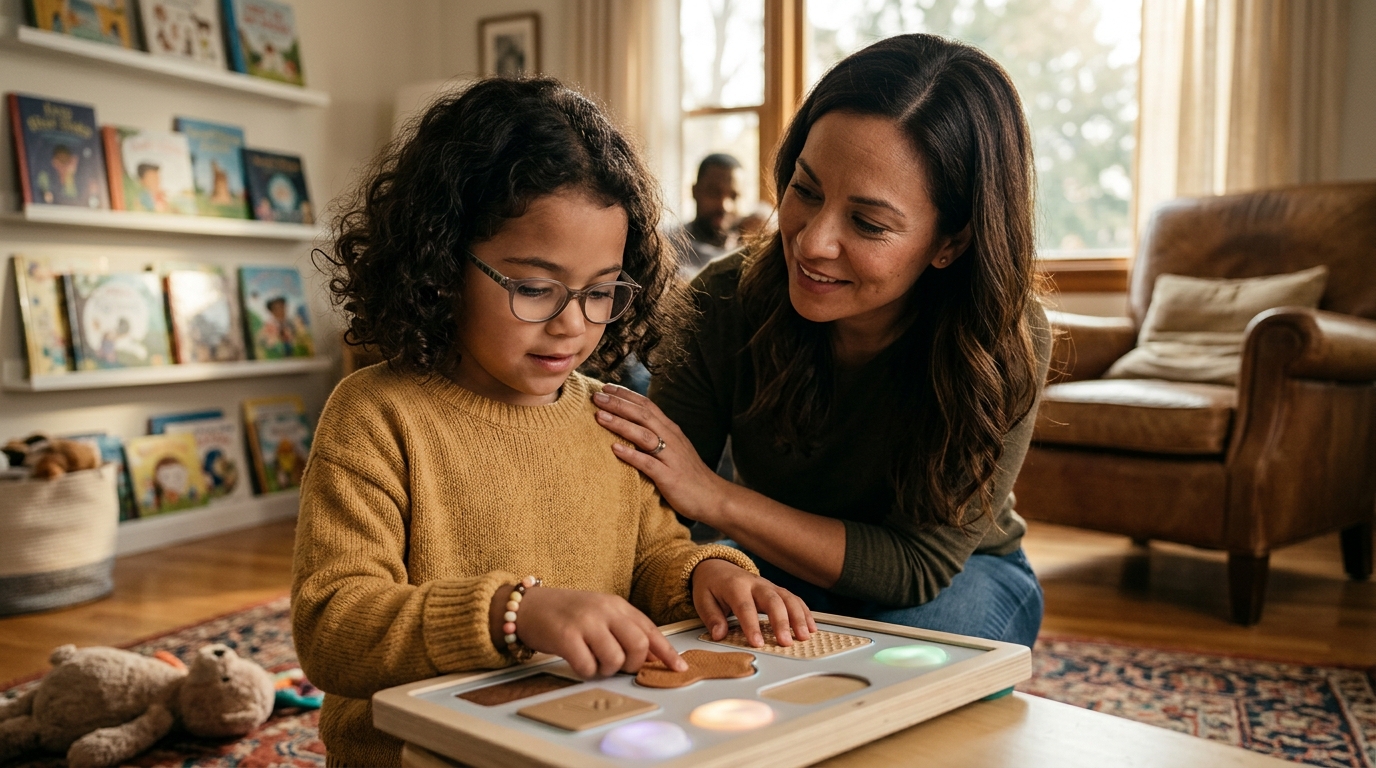
How to Help Children with Bardet-Biedl Syndrome: A Guide for 2026
Bardet-Biedl Syndrome (BBS) is a complex genetic disorder that affects multiple organ systems, including the eyes, kidneys, and limbs. For families navigating this diagnosis, the path forward can seem overwhelming. However, significant progress is being made in understanding the condition and developing targeted therapies. According to recent medical consensus, early intervention and specialized support are critical for improving the quality of life for children with BBS. This guide outlines the essential steps families can take to support their children, from medical management to educational advocacy. (Bardet Biedl syndrome) (About Retinitis Pigmentosa Causes)
Understanding Bardet-Biedl Syndrome
Bardet-Biedl Syndrome (BBS) is one of many genetic conditions that can cause retinitis pigmentosa (RP) and blindness in young children. It is a rare autosomal recessive disorder, meaning a child must inherit two copies of the mutated gene, one from each parent, to develop the condition. The syndrome is characterized by a wide range of symptoms that can vary significantly from person to person. (Products)
The primary features of BBS include retinal dystrophy, which leads to progressive vision loss, obesity, polydactyly (extra fingers or toes), and renal abnormalities. Other common symptoms may include learning disabilities, delayed development, and hypogonadism. Because BBS affects multiple systems, a multidisciplinary approach to care is essential. Understanding the specific genetic variant your child has, such as BBS1, can help tailor medical and educational strategies more effectively.
Medical Management and Monitoring
Effective management of BBS requires regular monitoring by a team of specialists. This team typically includes ophthalmologists, nephrologists, endocrinologists, and geneticists. Early diagnosis is crucial for initiating interventions that can slow the progression of symptoms and address complications before they become severe.
Renal Health Monitoring
Kidney disease is a serious complication of BBS. Regular urine tests and imaging studies are necessary to monitor kidney function. Early detection of renal issues allows for timely intervention, which can prevent or delay the need for dialysis or transplantation. Research indicates that renal function declines in a significant percentage of BBS patients over time, making proactive care vital.
Obesity and Metabolic Health
Obesity is a common feature of BBS and can exacerbate other health issues, including diabetes and cardiovascular problems. A structured diet and exercise plan, supervised by healthcare providers, can help manage weight. According to the National Institute of Diabetes and Digestive and Kidney Diseases, managing blood sugar levels is critical for patients with metabolic disorders.

Vision Support and Retinitis Pigmentosa
Retinitis pigmentosa (RP) is a group of rare genetic disorders that cause a breakdown and loss of cells in the retina. This leads to a slow, progressive loss of vision until many BBS patients become blind in their teenage years. While there is currently no cure for RP, there are strategies to help children maintain independence and quality of life.
Low Vision Aids
Low vision aids, such as magnifiers, large-print books, and screen readers, can help children with BBS continue to learn and engage with their environment. Occupational therapists can provide training on how to use these tools effectively. The American Academy of Ophthalmology recommends early referral to low vision specialists to maximize remaining sight.
Genetic Testing and Counseling
Genetic testing can confirm the diagnosis of BBS and identify the specific gene mutation involved. This information is valuable for family planning and can help identify potential candidates for gene therapy trials. The National Center for Biotechnology Information provides detailed information on genetic testing options for BBS.
Educational Advocacy and IEPs
Children with BBS often face unique educational challenges, including visual impairments and learning disabilities. An Individualized Education Program (IEP) is a legal document that outlines the specific services and accommodations a child needs to succeed in school. Parents should work closely with school officials to develop an IEP that addresses their child's specific needs.
Accommodations for Visual Impairment
Common accommodations for children with BBS include preferential seating, large-print materials, and the use of assistive technology. Teachers should be trained to support students with visual impairments, including providing verbal descriptions of visual content. Under the Individuals with Disabilities Education Act (IDEA), children with BBS are entitled to a free appropriate public education.
Social and Emotional Support
Beyond academic support, social and emotional well-being is crucial. Children with BBS may experience anxiety or depression due to their visual impairment and the challenges of managing a chronic condition. Counseling and support groups can provide a safe space for children to express their feelings and connect with peers who understand their experiences.
The Role of Clinical Trials
Clinical trials are a critical component of advancing treatments for BBS. These studies test new therapies, including gene therapies, to determine their safety and efficacy. Participation in clinical trials can provide access to cutting-edge treatments that are not yet available to the general public.
Funding Research
Private funding is a main driver for much of the innovation in BBS research. Organizations like A Race Against Blindness are dedicated to funding sight-saving clinical trials for children with BBS and RP. Their mission is to advance therapies for pediatric inherited retinal diseases, offering hope to families affected by these conditions.
How to Participate
Parents interested in clinical trials should consult with their child's healthcare provider to identify suitable studies. Resources such as ClinicalTrials.gov provide a database of ongoing and planned studies. It is important to carefully review the inclusion and exclusion criteria for each trial to determine eligibility.
Community and Emotional Support
Connecting with other families affected by BBS can provide invaluable support and resources. Community organizations and online forums offer a platform for sharing experiences, advice, and emotional support. These networks can help families navigate the complexities of the diagnosis and treatment process.
Support Groups
Local and national support groups for BBS and RP can provide a sense of community and belonging. These groups often organize events, workshops, and fundraisers to raise awareness and support research. The Retinitis Pigmentosa Support Group offers resources and community connections for families dealing with vision loss.
Fundraising and Advocacy
Fundraising events, such as the giveaway fundraisers hosted by A Race Against Blindness, play a crucial role in supporting research. These events not only raise funds but also raise awareness about the importance of finding a cure for BBS. Participation in these events can help families feel empowered and connected to the broader mission of curing childhood blindness.
Key Takeaways
- Bardet-Biedl Syndrome (BBS) is a genetic disorder affecting multiple organ systems, including the eyes and kidneys.
- Early diagnosis and multidisciplinary medical care are essential for managing BBS symptoms.
- Retinitis pigmentosa (RP) causes progressive vision loss, but low vision aids and accommodations can help maintain independence.
- Individualized Education Programs (IEPs) ensure children with BBS receive appropriate educational support.
- Clinical trials offer hope for new treatments, including gene therapies for BBS.
- Private funding is critical for advancing BBS research, with organizations like A Race Against Blindness leading the charge.
- Community support and advocacy are vital for emotional well-being and raising awareness.
Frequently Asked Questions
What is Bardet-Biedl Syndrome?
Bardet-Biedl Syndrome (BBS) is a rare genetic disorder characterized by retinal dystrophy, obesity, polydactyly, and renal abnormalities. It is caused by mutations in specific genes and is inherited in an autosomal recessive pattern.
How is Bardet-Biedl Syndrome diagnosed?
BBS is diagnosed through a combination of clinical evaluation, genetic testing, and family history. Genetic testing can identify the specific gene mutation involved, which is important for family planning and potential treatment options.
What are the treatment options for Bardet-Biedl Syndrome?
There is currently no cure for BBS, but treatment focuses on managing symptoms and complications. This includes regular monitoring of kidney function, vision support, and educational accommodations. Clinical trials for gene therapy are also an option for some patients.
How can I support a child with Bardet-Biedl Syndrome?
Supporting a child with BBS involves providing medical care, educational accommodations, and emotional support. Connecting with community organizations and support groups can also provide valuable resources and guidance.
What is the role of clinical trials in BBS research?
Clinical trials test new therapies, including gene therapies, to determine their safety and efficacy. Participation in trials can provide access to cutting-edge treatments and contribute to the advancement of BBS research.
How can I get involved in BBS advocacy?
You can get involved in BBS advocacy by supporting organizations like A Race Against Blindness, participating in fundraising events, and raising awareness about the condition. Connecting with other families and sharing your experiences can also help drive change.
Take the Next Step
If you are a parent or caregiver of a child with Bardet-Biedl Syndrome, you are not alone. There are resources and communities available to support you on this journey. By staying informed and connected, you can help ensure the best possible outcome for your child. Visit A Race Against Blindness to learn more about their mission and how you can contribute to finding a cure for childhood blindness.