
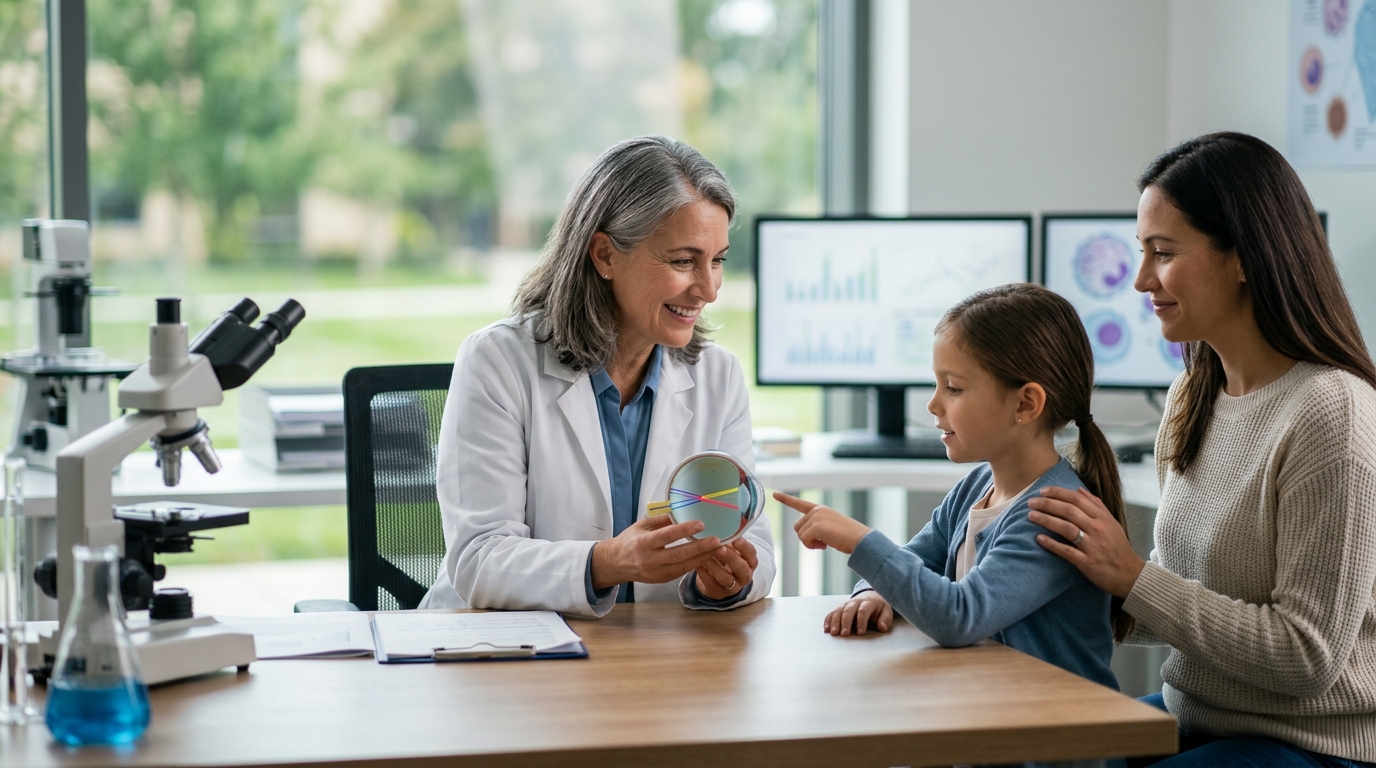
Retinitis pigmentosa (RP) is a group of rare genetic disorders that cause a breakdown and loss of cells in the retina, the light-sensitive tissue at the back of the eye. According to the National Eye Institute, approximately one in 4,000 people in the United States are affected by this condition, with many cases presenting in childhood. For families facing Bardet-Biedl Syndrome (BBS), the progressive nature of vision loss demands immediate and sustained support for clinical trials. This guide outlines the most effective ways to contribute to sight-saving research and help fund therapies for pediatric inherited retinal diseases. (About Retinitis Pigmentosa Causes)
Participate in Giveaway Fundraisers
One of the most impactful ways to support sight-saving research is through entry-based fundraising events. These initiatives allow supporters to contribute to the cause while entering for high-value prizes. The current lineup includes a Volkswagen ID. Buzz Electric Van, which represents a significant milestone in sustainable mobility for the organization. Another major opportunity is the America's 250th celebration, offering over $250,000 in prizes including a Ford F-150 Raptor and a Mini Class A Thor motorhome. These events are designed to maximize visibility and funds for pediatric retinal diseases.
Each fundraiser is structured to minimize administrative overhead, ensuring that the maximum amount of capital goes directly into clinical trial funding. By entering these draws, you are not just seeking a prize; you are actively financing the development of gene therapies for conditions like BBS-1. The organization operates as a lean non-profit, exempt under Section 501(c)(3), which ensures fiscal responsibility and transparency in how donations are utilized.
Make Direct Financial Contributions
Direct donations remain the backbone of private funding for vision-restoring therapies. While government grants are limited, private philanthropy drives much of the innovation in gene therapy. A Race Against Blindness focuses specifically on funding sight-saving clinical trials for children. Your contribution helps bridge the gap between laboratory discovery and FDA-approved treatments like Luxturna, which is already approved for retinitis pigmentosa due to Leber congenital amaurosis.
Supporting these efforts means helping to develop similar therapies for BBS-1 and other genetic causes of blindness. The organization maintains a donor portal where contributors can track their entries and impact. This transparency is crucial for building trust and ensuring that every dollar supports the mission of saving childhood eyesight. For those interested in the financial health of the organization, Annual Reports provide detailed insights into fund allocation and research milestones.
Access the IRD Education Hub
Understanding the science behind inherited retinal diseases (IRDs) is essential for effective advocacy. The IRD Education Hub serves as a comprehensive resource for newly diagnosed families and researchers alike. This platform offers detailed breakdowns of conditions like Bardet-Biedl Syndrome and Retinitis Pigmentosa, explaining how genetic mutations lead to retinal degeneration.
Bardet-Biedl Syndrome (BBS) is a complex genetic disorder that affects multiple organ systems, including the eyes, kidneys, and limbs. By educating yourself and others through these resources, you become a more effective advocate for research funding. The hub also provides resources for newly diagnosed families, helping them navigate the emotional and medical challenges of a progressive vision loss diagnosis. Sharing these educational materials helps reduce stigma and increases public awareness of the urgent need for cures.
Understand Clinical Trial Pathways
Clinical trials are the final step in bringing new therapies to patients. Understanding how these trials work is critical for supporting the research ecosystem. The organization provides detailed Clinical Trial Education materials that explain the phases of testing, from safety assessments to efficacy studies. This knowledge empowers families to make informed decisions about potential treatments.
For Luke, a young boy diagnosed with BBS1, the race against blindness is personal and urgent. Without intervention, he will slowly lose his vision by his teenage years. Supporting clinical trials ensures that therapies like the one currently being funded for BBS-1 can reach patients like Luke. The process involves rigorous scientific validation, but the potential for restoring sight is immense. By following the Condition Database, you can stay updated on the latest research developments and therapeutic targets.
Join the RP/BBS Community Survey
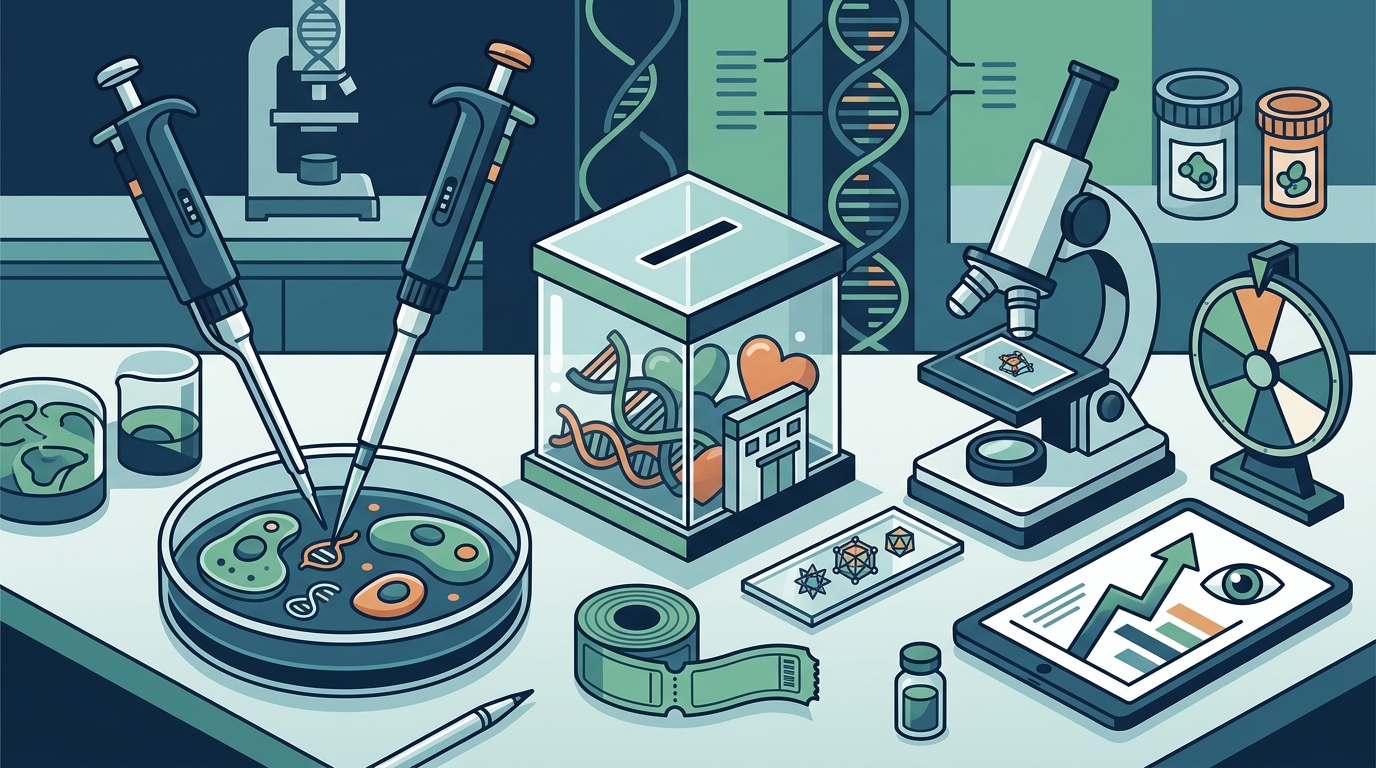
Data collection is a vital component of medical research. The RP/BBS Community Survey allows patients and families to contribute their experiences to a larger dataset. This information helps researchers identify common symptoms, track disease progression, and prioritize research areas that matter most to the community. Your participation helps shape the future of treatment protocols.
Community engagement also fosters a support network for families dealing with similar diagnoses. Connecting with others who understand the journey can provide emotional support and practical advice. The organization encourages active participation in these surveys to ensure that the voices of patients are heard in the development of new therapies. This collective effort is essential for driving policy changes and securing funding for rare diseases.
Key Takeaways
- Enter giveaway fundraisers like the Volkswagen ID. Buzz EV draw to support clinical trials.
- Direct donations to 501(c)(3) non-profits ensure funds go directly to sight-saving research.
- The IRD Education Hub provides essential resources for understanding inherited retinal diseases.
- Clinical trials are the critical pathway for bringing gene therapies to patients with BBS and RP.
- Participating in the RP/BBS Community Survey helps shape future research priorities.
- Luxturna serves as a precedent for FDA-approved gene therapy for retinal diseases.
- Transparency in non-profit operations builds trust and encourages sustained support.
Frequently Asked Questions
What is Retinitis Pigmentosa?
Retinitis pigmentosa (RP) is a group of rare genetic disorders that cause a breakdown and loss of cells in the retina, leading to progressive vision loss.
How does Bardet-Biedl Syndrome cause blindness?
Bardet-Biedl Syndrome (BBS) is a genetic condition that affects multiple organ systems, including the eyes, leading to a slow, progressive loss of vision often resulting in blindness in teenage years.
What is the mission of A Race Against Blindness?
The organization is dedicated to funding sight-saving clinical trials and therapies for pediatric inherited retinal diseases, specifically focusing on Bardet-Biedl Syndrome.
How can I track my fundraiser entries?
Donors can use the Donor Portal to check their entries and receive updates on active fundraisers.
Are the fundraisers tax-deductible?
Yes, the organization is exempt under Section 501(c)(3), and contributions may be tax-deductible. Please consult a tax professional for advice.
What is the IRD Education Hub?
The IRD Education Hub is a comprehensive online resource providing detailed information on inherited retinal diseases, clinical trials, and resources for newly diagnosed families.
How does gene therapy work for RP?
Gene therapy involves introducing a functional copy of a gene into cells to replace a defective one, potentially halting or reversing vision loss in patients with specific genetic mutations.
Take Action Today
The fight against childhood blindness requires collective effort and sustained funding. Whether you choose to enter a fundraiser, make a direct donation, or simply educate yourself, every action contributes to the goal of saving sight. Visit the main home page to learn more about current opportunities and how you can help. Together, we can ensure that children like Luke have the chance to see the world.