

Retinitis pigmentosa (RP) is a group of rare genetic disorders that cause a breakdown and loss of cells in the retina, leading to progressive vision loss. According to the National Eye Institute, approximately 100,000 people in the United States have retinitis pigmentosa. For families affected by Bardet-Biedl Syndrome (BBS), a genetic condition that often includes RP, the prognosis can be particularly challenging. A Race Against Blindness was founded to address this gap by funding sight-saving clinical trials for children. This guide outlines exactly how you can contribute to this mission and support the next generation of gene therapies. (About Retinitis Pigmentosa Causes)
Understanding the Mission
When you ask, "Can I donate to fund research for childhood blindness?" the answer is a definitive yes. However, it is crucial to understand where your money goes. Bardet-Biedl Syndrome (BBS) is one of many genetic conditions that can cause RP in young children. Our son, Luke, has been diagnosed with BBS1 and is actively going blind. And thus, the birth of A Race Against Blindness, an organization dedicated to finding a cure for BBS/RP. (A Race Against Blindness)
The medical research involved in vision saving treatment and restorative therapy is advancing rapidly. This is excellent news! However, funding is significantly limited. Private funding, such as the money we raise, remains the main driver for much of this innovation. Your support is vital to saving children’s vision.
We have set up our non-profit to minimize expenses and support sight saving research through philanthropy. Our current target is supporting a therapy for retinitis pigmentosa due to BBS-1. A similar gene therapy, Luxturna, is FDA approved to treat retinitis pigmentosa due to Leber congenital amaurosis. This therapy uses a similar gene therapy model with some minor changes. With each successive gene therapy treatment that is successful, it becomes easier to develop treatments for other forms of RP.
Donation Methods
There are several ways to contribute to this cause. Each method is designed to be secure, transparent, and impactful. Below are the primary channels available for donors.
1. Direct Monetary Donations
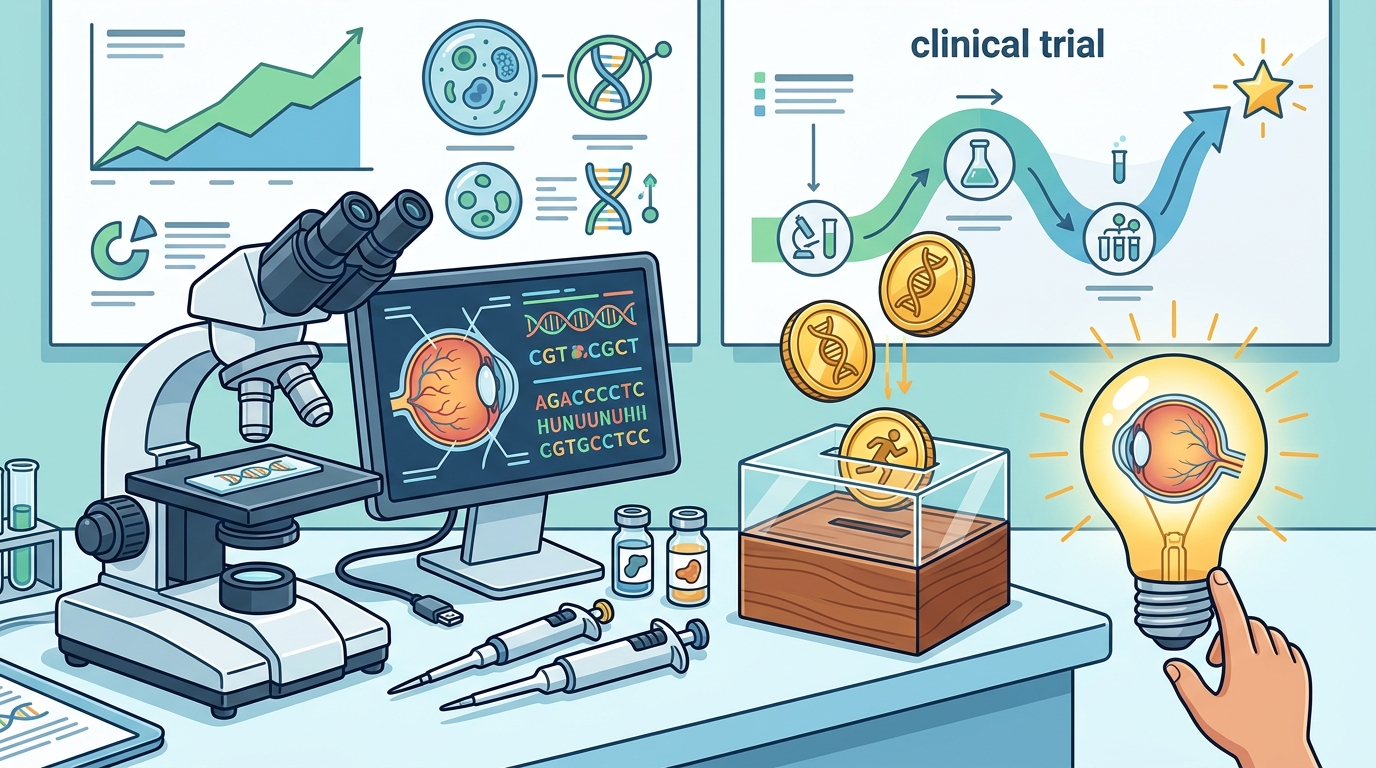
The most direct way to help is through a one-time or recurring monetary donation. These funds go directly into the pool used to support clinical trials. You can make a secure contribution by visiting our Donate Now page. Every dollar helps cover the costs of laboratory work, clinical trial coordination, and patient support services.
2. Fundraiser Entries
We host periodic fundraisers that offer unique prizes while raising capital for research. These events allow you to participate in a community effort while potentially winning incredible items. Current and past fundraisers include vehicles and adventure packages. You can view our Current Fundraisers to see what is available. For example, our "America's 250th" campaign offers over $250,000 in prizes, including a Ford F-150 Raptor and cash prizes. Entering these fundraisers is a way to support the cause while engaging in a fun, low-risk activity.
3. Corporate Sponsorships
Businesses can also play a pivotal role in funding sight-saving research. We welcome partnerships with companies that align with our mission. By becoming a sponsor, your organization can demonstrate corporate social responsibility while directly contributing to a cure. Learn more about joining us as a sponsor by visiting our Our Sponsors page.
4. In-Kind and Volunteer Support
While financial donations are critical, time and expertise are also valuable. We are always looking for volunteers to help with administrative tasks, event planning, and community outreach. If you are interested in volunteering, please check our How You Can Help section for current opportunities.
Impact of Giving
When you donate to fund research for childhood blindness, you are not just giving money; you are giving hope. The impact of your contribution can be seen in several ways:
- Accelerated Clinical Trials: Your donations help speed up the timeline for bringing new therapies to market. Every month saved means children can retain their vision longer.
- Research Innovation: Funding supports the development of new gene therapy models. These models are essential for treating conditions like BBS-1, which has no current cure.
- Family Support: A portion of our resources goes toward supporting families newly diagnosed with RP or BBS. This includes educational materials and emotional support networks.
Retinitis pigmentosa (RP) can be caused by many conditions. Luke’s cause of progressive vision loss is caused by Bardet-Biedl Syndrome (BBS), which affects multiple organ systems, including the eyes. There is a slow, progressive loss of vision until many BBS patients become blind in their teenage years. By donating, you help change this trajectory.
Frequently Asked Questions
Is A Race Against Blindness a legitimate non-profit?
Yes, A Race Against Blindness is a registered 501(c)(3) non-profit organization. We are exempt under Section 501(c)(3) and have an EIN of 92-2174042. We are committed to transparency and financial integrity.
How is my donation used?
Your donation is primarily used to fund sight-saving clinical trials for children with inherited retinal diseases (IRDs). We minimize administrative expenses to ensure the maximum amount of funds goes directly to research and patient support.
Can I donate to a specific child?
While we cannot direct funds to a specific individual due to the nature of clinical research funding, your donation supports the overall mission of finding cures for conditions like BBS and RP. This benefits all children currently undergoing or awaiting treatment.
Are donations tax-deductible?
Yes, donations to A Race Against Blindness are tax-deductible to the extent allowed by law. You will receive a receipt for your contribution for tax purposes.
How can I stay updated on the research?
You can stay updated by subscribing to our newsletter, following us on social media, and visiting our Blog & Grant Funding Updates page. We regularly post progress reports on our clinical trials and fundraising efforts.
What is Bardet-Biedl Syndrome?
Bardet-Biedl Syndrome (BBS) is a pleiotropic disorder with variable expressivity and a wide range of clinical variability observed both within and between families. The most common clinical features are rod–cone dystrophy, with childhood-onset night-blindness followed by increasing visual loss. BBS also affects multiple other organ systems, including the kidneys and endocrine system.
How do I contact the organization?
You can contact us through our Contact Us page. We have a dedicated team ready to answer any questions you may have about donations, fundraisers, or our mission.
Take Action Today
The fight against childhood blindness is a race against time. Every donation, no matter the size, brings us closer to a cure. If you are ready to make a difference, please visit our Donate Now page to contribute. Together, we can ensure that children like Luke have the opportunity to see the world.